
The Evolution of Bespoke Clothing: Redefining Premade Garments for Modern Wear
Bespoke clothing has long been associated with personalized tailoring, crafted to fit an individual's unique measurements and style preferences. Yet, the fashion industry is witnessing a shift where bespoke concepts merge with premade garments, creating new possibilities for modern wear. This evolution challenges traditional ideas about custom clothing and offers fresh approaches that blend convenience, individuality, and craftsmanship.
Understanding Bespoke Clothing and Premade Garments
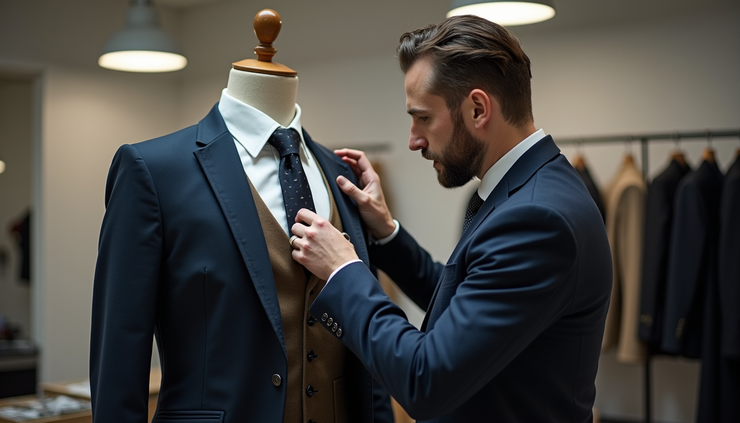
Traditionally, bespoke clothing means garments made from scratch for one person, involving multiple fittings and handcrafting. Premade garments, on the other hand, are mass-produced in standard sizes and sold ready to wear. The gap between these two has always been clear: bespoke offers perfect fit and exclusivity, while premade provides accessibility and speed.
However, new concepts are blurring this line. Some brands now offer semi-bespoke or made-to-measure options where premade garments serve as a base, then get customized to fit better or reflect personal style. This hybrid approach reduces production time and cost while maintaining a level of uniqueness.
How New Concepts Are Changing Bespoke Clothing, Redefining Premade Garments for Modern Wear
Several innovations are driving the evolution of bespoke clothing:
Modular Design
Redefining Premade Garments for Modern Wear Garments are created with interchangeable parts, allowing customers to mix and match sleeves, collars, or pockets. This approach uses premade components but lets wearers build a personalized look.
Digital Measurement and Virtual Fitting
Technology enables precise body measurements through apps or 3D scanning. This data helps tailor premade garments more accurately, reducing the need for multiple fittings.
Sustainable Practices
Bespoke clothing traditionally involves less waste since it’s made to order. Combining this with premade garment techniques, brands can use leftover fabrics or recycled materials to create unique pieces, supporting eco-friendly fashion.
Customization Platforms
Online tools allow customers to select fabrics, colors, and styles from premade templates. These platforms streamline the bespoke process, making it accessible to a broader audience.
Examples of Brands Embracing the New Bespoke Model
Several fashion brands illustrate how bespoke clothing is evolving:
Indochino offers made-to-measure suits that start from premade patterns but adjust to individual measurements. Customers can customize fabric, buttons, and linings online.
Son of a Tailor produces custom-fit T-shirts using customer measurements collected through an app. The shirts are premade but tailored to fit perfectly.
Albam combines ready-to-wear with bespoke elements by offering garments that can be altered or personalized after purchase, such as adding monograms or adjusting fit.
These examples show how bespoke clothing is no longer limited to traditional tailoring shops but is becoming more accessible through technology and innovative production methods.
Benefits of the New Bespoke Approach
This evolving model offers several advantages:
Better Fit Without Long Waits
Customers enjoy garments that fit well without the extended timeline of classic bespoke tailoring.
More Affordable Customization
Using premade bases lowers costs, making personalized clothing available to more people.
Greater Style Flexibility
Modular and customizable designs let wearers express their personality without sacrificing convenience.
Sustainability Gains
Reducing waste and using recycled materials aligns with growing consumer demand for responsible fashion.
Challenges to Consider
Despite its promise, this new approach faces some challenges:
Quality Control
Ensuring consistent craftsmanship when mixing premade and bespoke elements requires careful oversight.
Customer Expectations
Some customers still expect the full bespoke experience with multiple fittings and handwork, which may not be fully met by hybrid models.
Technology Dependence
Accurate digital measurements and virtual fittings rely on technology that may not be accessible or comfortable for everyone.
What This Means for Modern Wearers
For those interested in clothing that fits well and reflects personal style, the evolution of bespoke clothing offers exciting options. It means:
Access to garments that feel custom without the traditional hassle
Opportunities to experiment with style through modular and customizable pieces
Support for sustainable fashion choices through made-to-order and recycled materials
This shift also encourages consumers to think differently about clothing. Instead of choosing between mass-produced or fully bespoke, they can find a middle ground that balances fit, style, cost, and convenience.
Moving Forward with Bespoke Clothing
The future of bespoke clothing lies in blending tradition with innovation. Tailors and designers who embrace new tools and production methods can reach wider audiences while preserving the essence of personalized fashion. Wearers benefit from clothing that fits better and feels more personal, without sacrificing time or budget.
Exploring brands that offer semi-bespoke or customizable premade garments is a good starting point for anyone curious about this evolution. Trying out these options can reveal how modern bespoke clothing fits into everyday life and style.


Comments